











T20 World Cup 2026: SWOT analysis of Sri Lanka - Strengths, Weaknesses, Opportunities, and Threats
.jpeg?#)
.jpeg)
The T20 World Cup 2026 is set to begin on February 7, with Sri Lanka sharing hosting duties alongside India. With several matches scheduled to be played in spin-friendly home conditions, the tournament presents a significant opportunity for Sri Lanka to maximise familiar surfaces and tactical strength
With the squad announcement reflecting a clear emphasis on spin depth and familiarity with home conditions, Sri Lanka appear to be shaping a side built for control and adaptability. As they prepare to host the ICC Men’s T20 World Cup 2026, here is a detailed SWOT (Strengths, Weaknesses, Opportunities, and Threats) analysis of the team.
Strengths
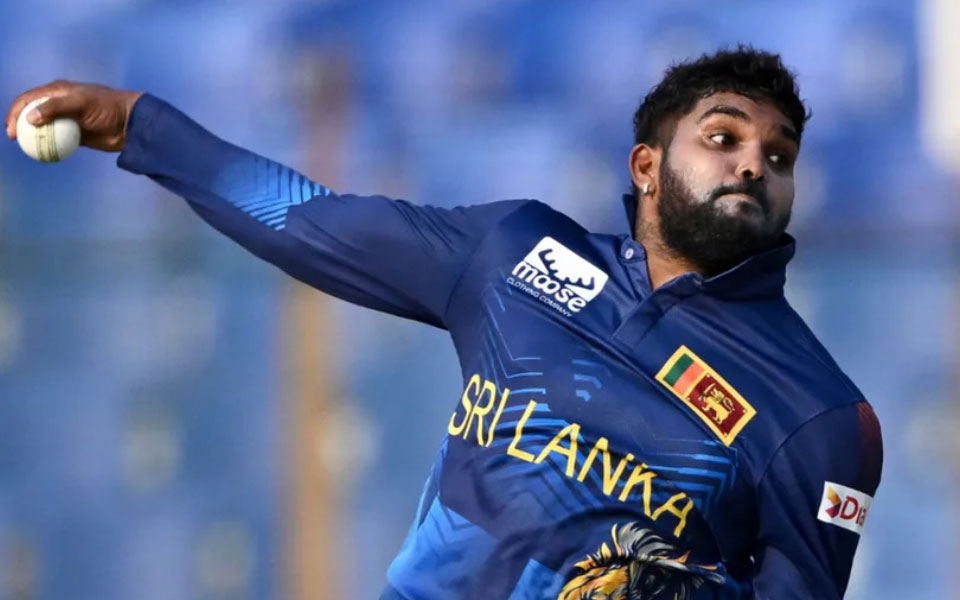
Sri Lanka’s primary strength is its depth and variety in spin bowling. With Wanindu Hasaranga, Maheesh Theekshana, Dunith Wellalage, Dushan Hemantha, and Vijayakanth Viyaskanth, the squad offers multiple spin options with a lot of variety, whether leg spin, off spin, or left-arm spin capable of operating across phases.
Hasaranga remains the standout. In home conditions, he has taken 51 wickets in 30 T20I innings at an average of 14.09. He is supported by Theekshana’s control and the left-arm options available, Sri Lanka possesses the tools to restrict scoring on slower pitches and force opposition errors.
The middle order provides flexibility through players such as Charith Asalanka, Kamindu Mendis, and Dhananjaya de Silva, and the captain himself, Dasun Shanaka, all of whom can adjust roles depending on match situations. In addition, Sri Lanka’s pace resources at the death led by Matheesha Pathirana and Nuwan Thushara, with support from Dushmantha Chameera, offer variation and unpredictability.
Home conditions further amplify Sri Lanka's advantage, as their batting line-up is built more around stability than explosiveness and the conditions in Sri lanka would be suiting their style of play.
Weaknesses
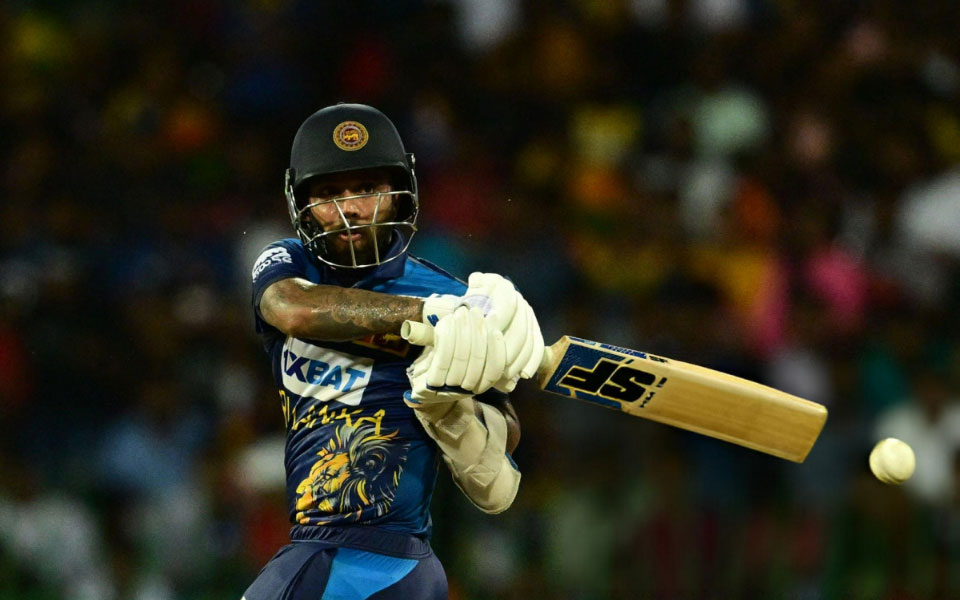
Top-order inconsistency remains Sri Lanka’s most persistent concern. While Pathum Nissanka has provided stability, the rest of the top order has been prone to fluctuations in form. Early collapses, particularly in high-pressure matches, have repeatedly put strain on the middle order.
Most of their batters have an average close to the early 20s. With several players competing for similar positions, the distinction between anchors and finishers remains blurred. In the T20 format, such uncertainty can be costly.
Sri Lanka also lacks consistent power-hitting options, particularly in the lower middle order. In matches where required run rates climb, this could prove decisive. Much of their batting operates at strike rates in the 120-135 range, which, in the context of the modern T20 game, is noticeably lower than that of several rival teams.
Fitness concerns add another layer of complexity to selection. Fast bowlers such as Dilshan Madushanka and Dushmantha Chameera have dealt with workload issues in the past, while Matheesha Pathirana’s action requires careful management over a long tournament. Similar attention will also be needed for Wanindu Hasaranga, Sri Lanka’s key all-rounder and central figure in their plans.
Opportunities
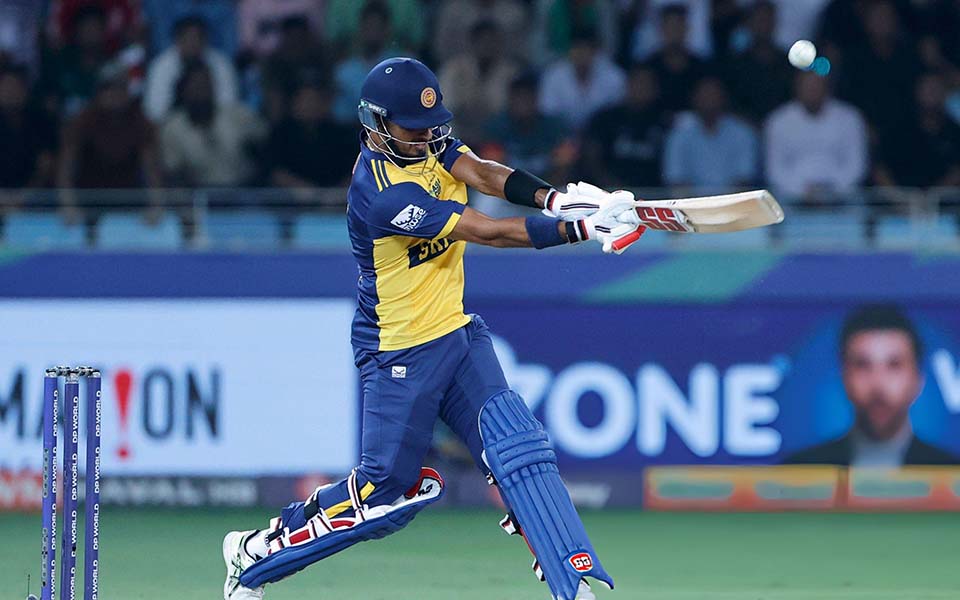
With depth and variety across the attack, Sri Lanka’s bowlers will be keen to make a strong statement on the global stage. For captain Dasun Shanaka, the tournament represents a chance to redefine his leadership record. A squad built around all-rounders and bowling depth suited to their home conditions can be complimentary to Shanaka's style of captaincy.
Sri Lanka will also see the tournament as an opportunity to re-establish themselves on the global stage. A strong showing on home soil could signal a shift from being occasional disruptors to consistent contenders in ICC events. Beyond immediate results, success would help restore confidence, rebuild belief within the group, and offer a reminder of the standards that once defined Sri Lankan cricket during its most successful era.
Threats
.jpeg)
Sri Lanka’s lack of power-hitting remains a clear vulnerability against elite opposition. Teams with deep batting line-ups and multiple six-hitters could neutralise Sri Lanka on flatter surfaces.
There is also a heavy dependence on Hasaranga for wickets in the middle overs. Any dip in form or fitness would significantly reduce Sri Lanka’s attacking threat and place additional pressure on the supporting cast. Even, in the batting line up Lanka’s batting is heavily anchored around Nissanka, and any dip in his output could expose the fragility around him.
Fielding standards remain another area of concern. Dropped chances and misfields have historically hurt Sri Lanka in knockout matches, and in T20 World Cups, such margins are often decisive.
Sri Lanka squad for T20 World Cup 2026
Dasun Shanaka (c), Pathum Nissanka, Kamil Mishara, Kusal Mendis, Kamindu Mendis, Kusal Perera, Charith Asalanka, Janith Liyanage, Pavan Rathnayake, Wanindu Hasaranga, Dunith Wellalage, Maheesh Theekshana, Dushmantha Chameera, Matheesha Pathirana, Eshan Malinga.
What's Your Reaction?
 Like
0
Like
0
 Dislike
0
Dislike
0
 Love
0
Love
0
 Funny
0
Funny
0
 Angry
0
Angry
0
 Sad
0
Sad
0
 Wow
0
Wow
0