











Hawks’ nightmare 2026 NBA trade deadline scenario after already trading Trae Young
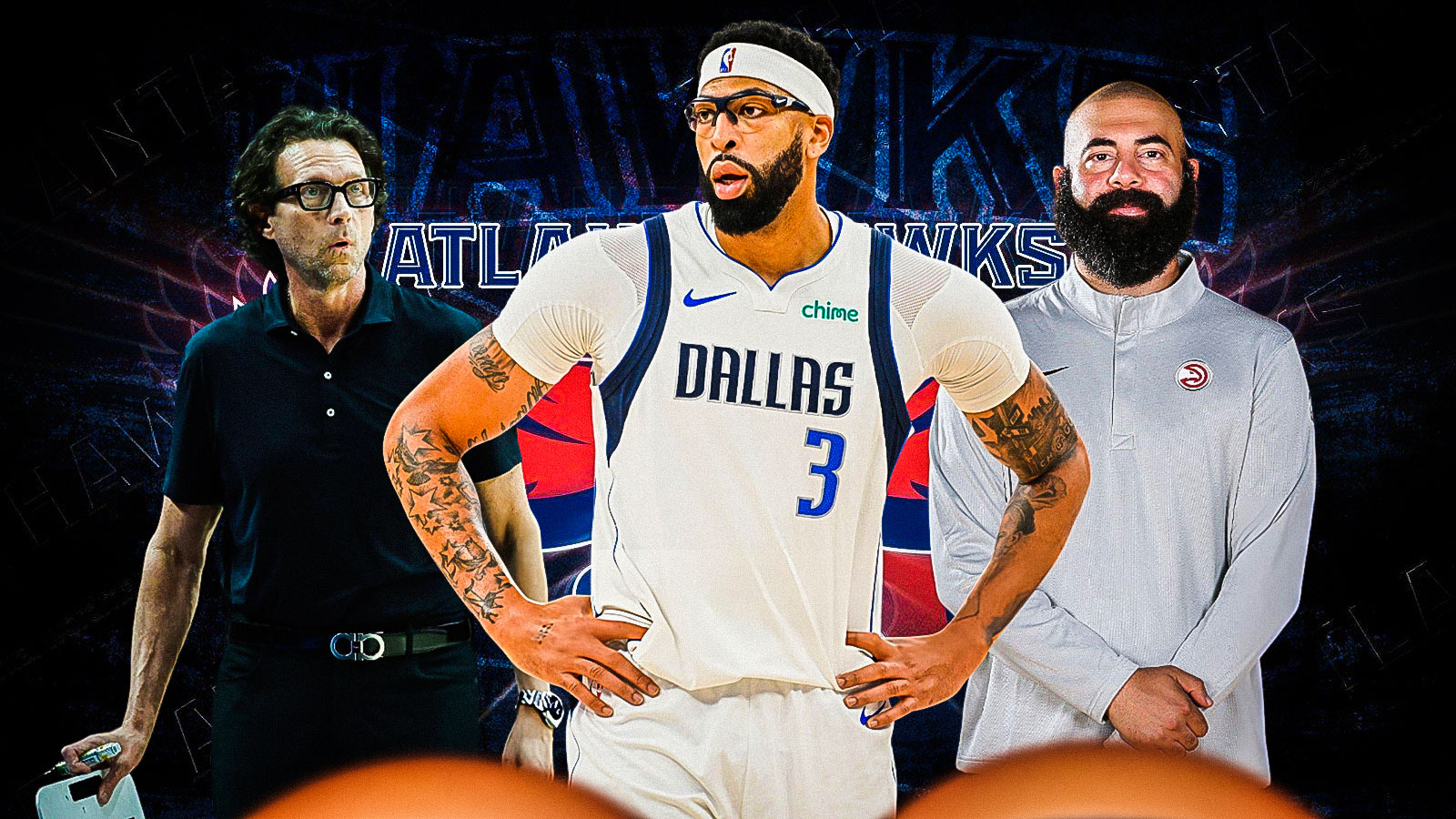
There is a warning for the Atlanta Hawks. They must know that clarity can invite the wrong kind of courage. The Hawks must remember that rebuilds rarely fail because of patience. They fail because of panic disguised as ambition. Atlanta finally chose clarity when they moved on from Trae Young. That signaled a philosophical reset around youth, flexibility, and a new offensive identity. On the flip side, this also brings temptation, especially when cap space, draft assets, and national attention converge at the same deadline. The nightmare scenario for Atlanta isn’t losing relevance after trading a superstar. It’s rushing back into the same cycle that forced the reset in the first place.
Trading Trae Young trade and a surprising bounce
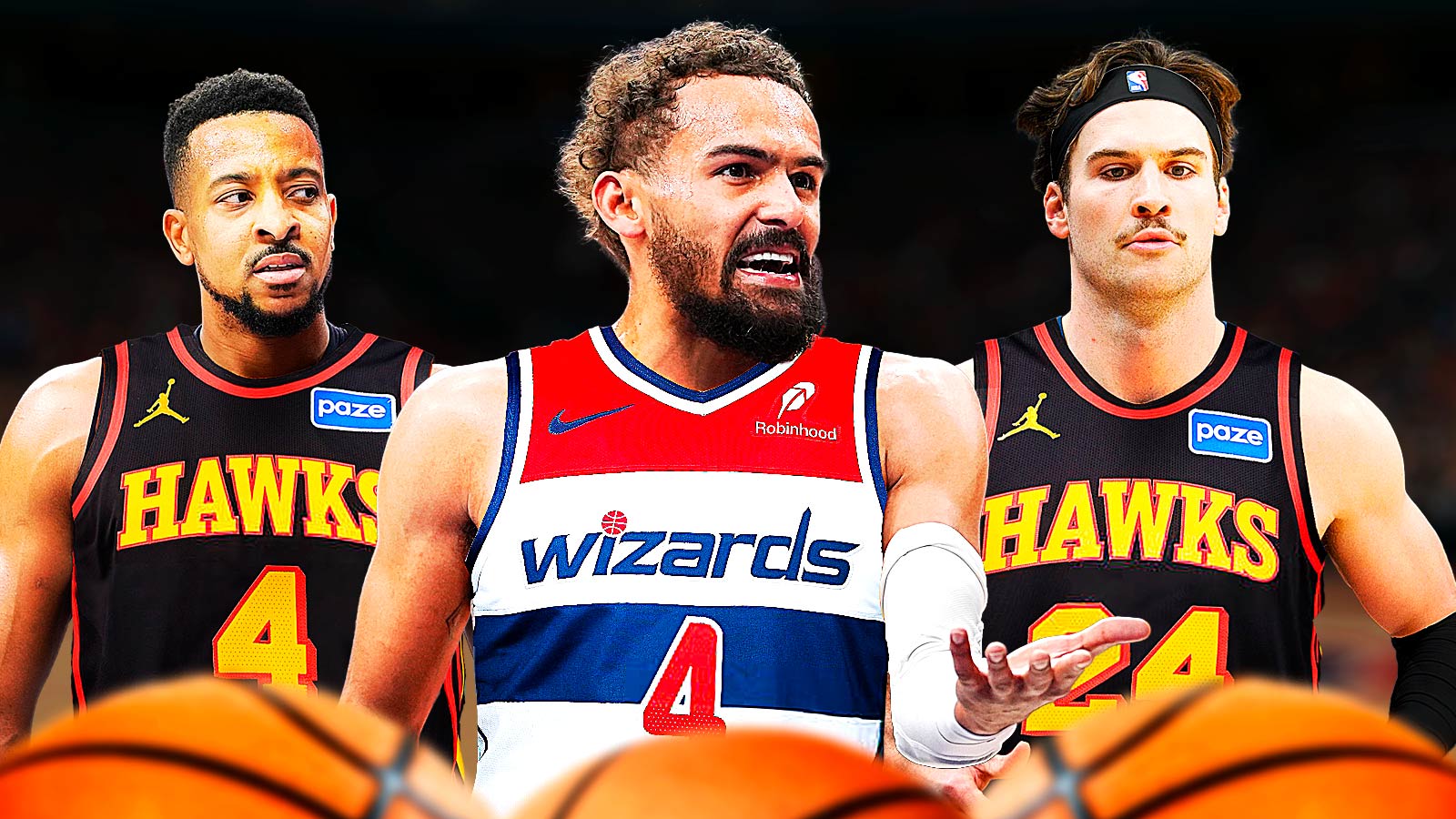
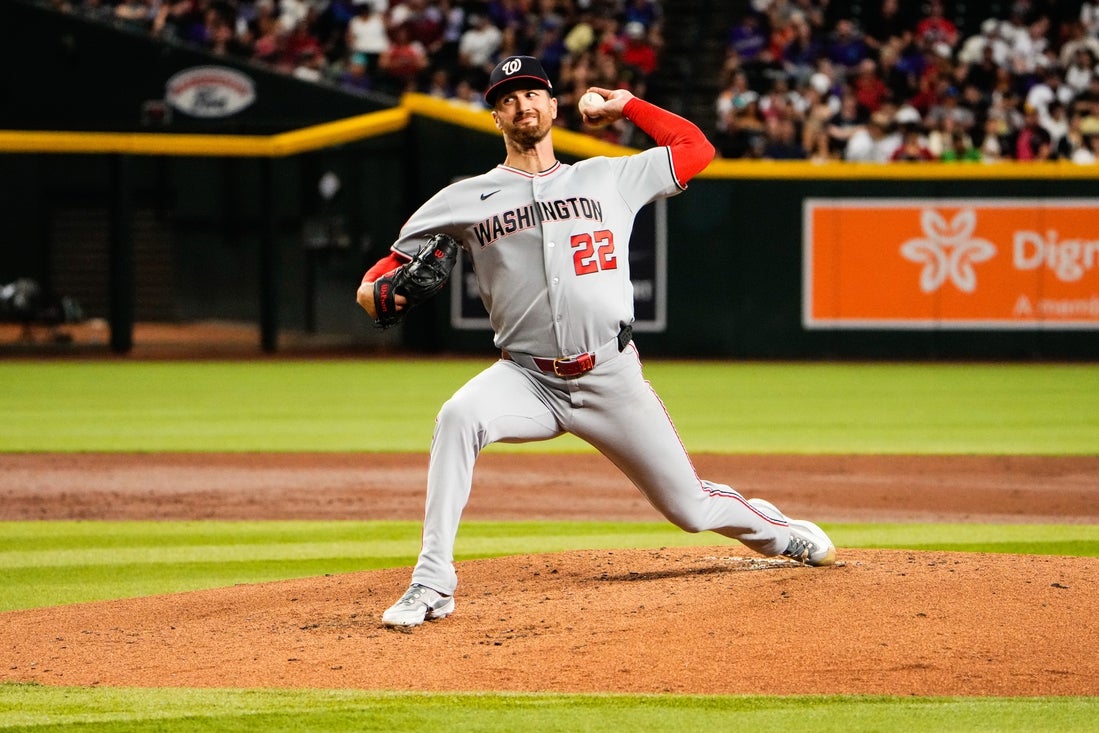
The Hawks’ 2025–26 season will forever be defined by January 7, 2026. That was the day the franchise traded cornerstone Trae Young to the Washington Wizards. At the time of the deal, Atlanta sat at a middling record. The move felt like an admission that the previous era had hit its ceiling. Yet in the weeks since, the Hawks have experienced an unexpected ‘post-Trae’ bounce. They have climbed to 24–26 and remain firmly in the Play-In mix at ninth in the East.
Under head coach Quin Snyder, Atlanta has pivoted away from a heliocentric offense. Now, they are sporting a faster, more egalitarian system that ranks sixth in the league in pace. The trade return of CJ McCollum and Corey Kispert has supplied veteran steadiness and reliable perimeter shooting. This has allowed the Hawks to stay competitive without building everything around one ball-dominant guard. Defensively, the team has shown modest improvement, too. They dont’s seem burdened with hiding a small guard at the point of attack.
Jalen Johnson’s leap
The true headline of Atlanta’s season, however, is Jalen Johnson. Now the undisputed face of the franchise, Johnson has exploded into All-NBA territory. He is currently averaging 22.9 points, 10.5 rebounds, and 7.9 assists per game. He has become a nightly triple-double threat, blending power, vision, and pace. His performance has validated the front office’s decision to reset the roster around him.
There are still cracks, of course. The arrival of Kristaps Porzingis added elite rim protection and spacing. However, his frequent absences have left Atlanta vulnerable in the paint. Rebounding remains a weakness, too. The roster lacks long-term certainty beyond Johnson. Still, with roughly $70 million in potential cap space projected for the summer, the Hawks are positioned to build patiently. That’s if they resist the urge to chase shortcuts.
Flexibility meets temptation
Since the Young deal, Atlanta has become the epicenter of NBA trade dialogue. General Manager Onsi Saleh has publicly signaled a Johnson-centric future. Yet, the rumor mill hasn’t slowed. High-stakes speculation has linked the Hawks to names like Anthony Davis and Giannis Antetokounmpo. That’s largely because Atlanta controls the most favorable first-round pick between Milwaukee and New Orleans in 2026. It’s a true ‘golden ticket’ asset.
More grounded reporting paints a different picture. Atlanta has reportedly explored sustainable depth upgrades to address rebounding and rim protection. They can potentially dangle Porzingis’ $30.7 million expiring contract while monitoring targets such as Nick Richards, Ivica Zubac, or Jeremy Sochan. The stated goal is to improve the margins without sacrificing summer flexibility. The nightmare begins when that plan is abandoned.
The Anthony Davis panic-buy
Despite the youth-movement rhetoric, rumors persist linking Atlanta to AD. He is reportedly available via the Dallas Mavericks. On paper, the idea is intoxicating. The Hawks can pair a generational defender with Johnson and leapfrog the rebuild. In reality, it’s the fastest way to sabotage it.
The disastrous trade
Hawks receive: Anthony Davis
Mavericks receive: Onyeka Okongwu, Zaccharie Risacher, 2026 Pelicans unprotected first-round pick
This is the nightmare.
Why this move would derail Atlanta’s future
1. Dumping the future before it develops
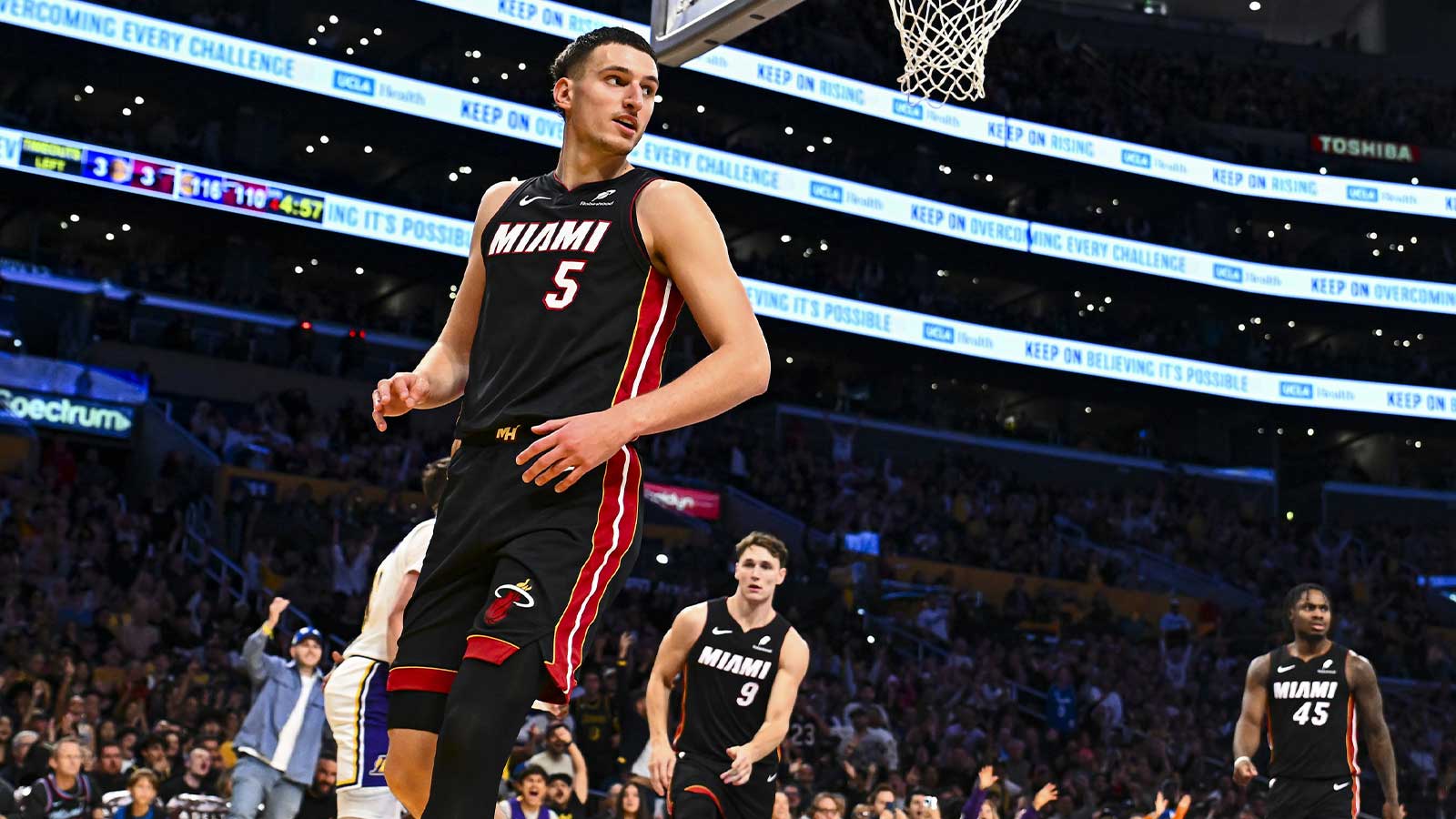
Trading Risacher after around half of the season would be a catastrophic admission of failure. As the No. 1 pick in the 2024 draft, he represents patience, projection, and internal growth. Moving him so quickly signals organizational whiplash and would reset the reset before it has a chance to mature.
2. Building a “glass” core
Pairing Davis with Porzingis creates a frontcourt that’s dominant on paper and unreliable in practice. Both have extensive injury histories. Atlanta would be committing its future to a lineup that could look elite in October and nonexistent in April. That’s more denial than risk tolerance.
3. The cap-space illusion
The Young trade was all about flexibility. Davis’ contract would immediately consume the cap room Atlanta worked so hard to create. That would force the Hawks into a top-heavy roster with minimal depth. For a team still learning how to win around Johnson, that’s a suffocating structure.
Johnson’s timeline matters most
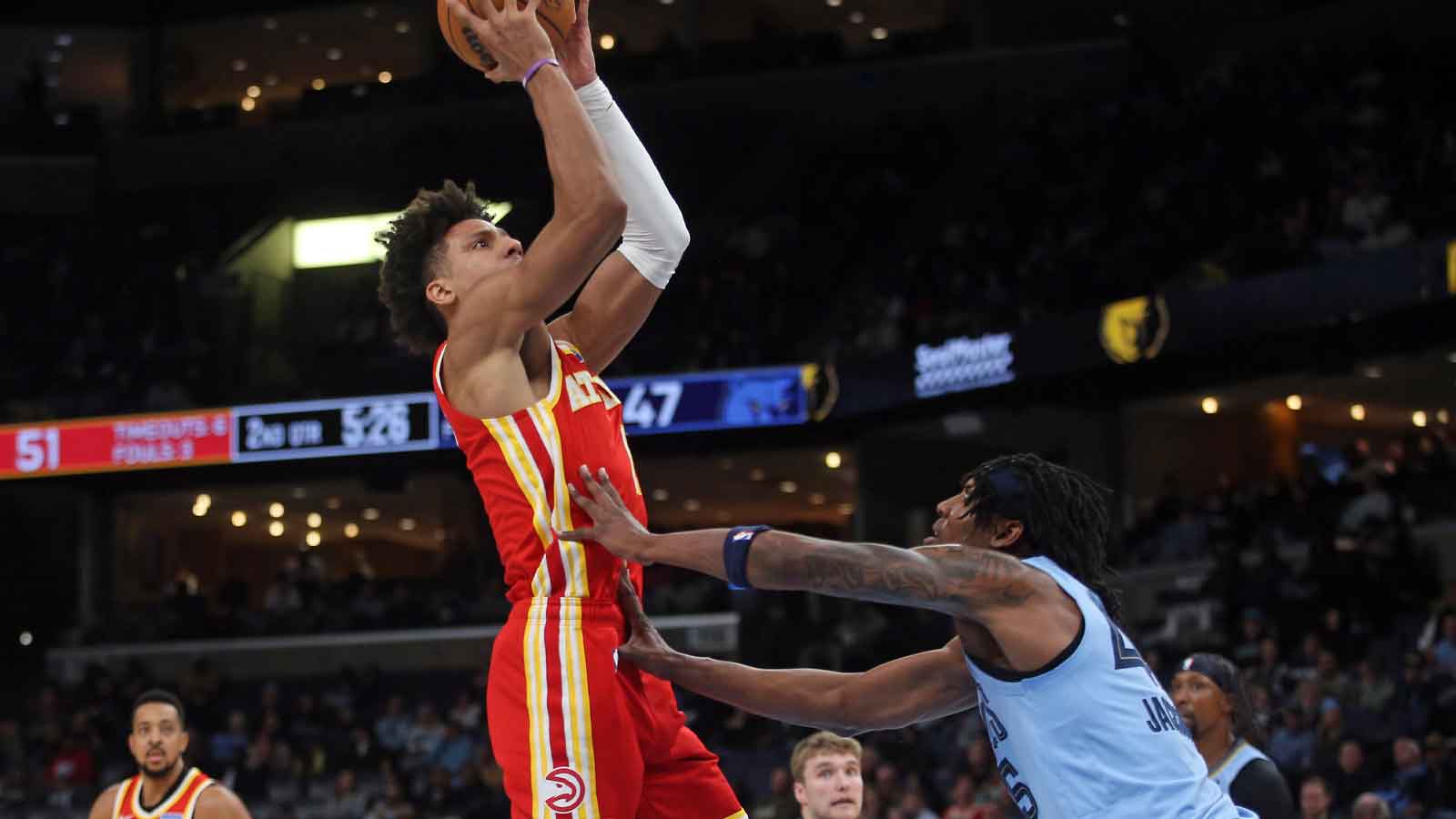
Johnson is ready to lead, but the roster around him isn’t finished forming. Atlanta’s advantage right now is optionality. They have cap space, picks, and a system that empowers growth. Spending that flexibility on a 30-something star with durability concerns compresses the timeline artificially and invites the same problems that plagued the Young era.
The Hawks already made the hard decision. They cannot afford to trade clarity for nostalgia. The nightmare scenario is undoing that clarity with a panic-buy that looks bold and ages poorly. Atlanta doesn’t need another headline. What they need are patience, depth, and time to build properly around its new star. Trading Trae Young opened a door. Obtaining AD would be slamming it shut too soon. That would be the real disaster.
The post Hawks’ nightmare 2026 NBA trade deadline scenario after already trading Trae Young appeared first on ClutchPoints.
What's Your Reaction?
 Like
0
Like
0
 Dislike
0
Dislike
0
 Love
0
Love
0
 Funny
0
Funny
0
 Angry
0
Angry
0
 Sad
0
Sad
0
 Wow
0
Wow
0