





Biggest mistake Ravens made in Week 1 of 2026 NFL free agency
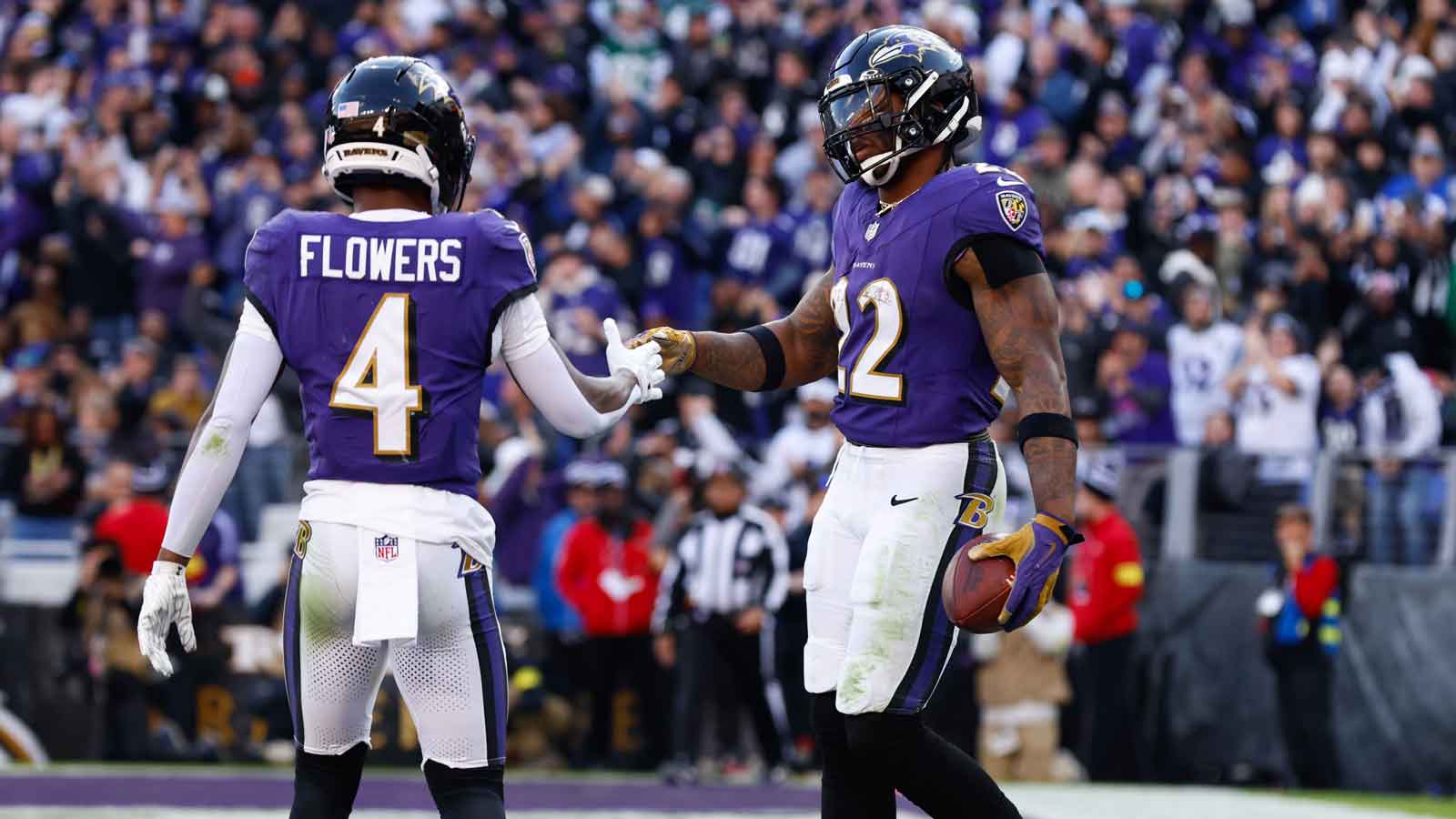
For his team, Lamar Jackson did his part, and Baltimore restructured his deal, added a void year, and created roughly $40 million in cap space for 2026, pushing a much larger charge into 2027. This maneuver allowed the front office to operate more freely at the moment, but the week also saw one of the foundational members of the offense leave when Patrick Ricard signed with the Giants after nine seasons in Baltimore.
These two developments, one creating flexibility and the other removing a familiar piece of the Ravens’ identity, set the tone for the week.
Baltimore had the opportunity to be aggressive, but they also faced important decisions about the essential components of the team. This is where I believe the Ravens made a mistake in Week 1.
The biggest error was using their newfound flexibility to pursue a major addition on defense while allowing too much of the offensive structure to diminish. This isn’t to say that Trey Hendrickson is a bad player; he’s not.
It’s also not that pass rushing doesn’t matter because it absolutely does. The mistake lies in the order of priorities, and the Ravens made room with Jackson’s contract and then spent heavily on the defensive front while losing Tyler Linderbaum, Ricard, Isaiah Likely, and other valuable pieces that contributed to the identity of the offense.
This erosion matters more than many want to acknowledge, and when teams discuss how to support a star quarterback, the conversation often shifts to acquiring receivers and generating headlines. However, that is not how Baltimore has traditionally operated, because, at their best, they are structured around control and forcing defenses to contend with difficult matchups.
While you can survive the exit of one of these players before, Baltimore lost too many key pieces in a single week and acted as if adding John Simpson, Durham Smythe, and restructuring Lamar’s deal were sufficient to maintain their operational flow. I do not believe that.
Linderbaum serves as the clearest example of this issue.
Reuters reported that the Raiders signed him to a three-year, $81 million contract after negotiations with Baltimore fell through, even though the Ravens had the option to keep him for $23.4 million in 2026 with the transition tag.
This wasn’t just a minor starter leaving for a slight pay increase; this was a three-time Pro Bowl center in his mid-20s, one of the rare offensive linemen capable of significantly impacting both the quarterback’s performance and the run game.
Hence, the sequence of Baltimore’s actions during the week appears shaky, and if Jackson’s restructuring was partly aimed at allowing the Ravens to keep their top players, then letting Linderbaum slip away undermines the rationale behind that move.
A center like Linderbaum does much more than just snap the ball and identify fronts because he keeps the middle of the pocket clean, organizes the protection before the snap, maintains the run game’s rhythm, and eases the burden on the guards beside him.
He is the type of player a team should fight harder to keep, especially when its quarterback is consuming a growing portion of the salary cap and that quarterback’s success still heavily relies on structure as much as individual brilliance.
Baltimore might convince itself it can cope with Linderbaum’s departure because it brought back John Simpson and may have Corey Bullock stepping up into a larger role. Perhaps that is true, but it still represents a decrease in reliability.
Then, well, there is Hendrickson.
Let me clarify: I understand why the Ravens made this decision. Baltimore shifted to a four-year, $112 million deal with Hendrickson after the trade for Maxx Crosby fell through due to a failed physical, and a defense that finished 8-9 and missed the playoffs clearly needed more talent.
Hendrickson has proven to be one of the league’s better pass rushers for several years, and Baltimore avoided surrendering the two first-round picks they were prepared to exchange for Crosby. On the surface, this is strong recovery work.
But this is where the broader mistake lies.
The Ravens and the mistake they made
They treated the position of edge rusher as a critical need while viewing center as an acceptable loss, and I believe this is a backward approach for the Ravens.
For them, the offense cannot afford to become less coherent while the defense gets more expensive, as Hendrickson enhances the ceiling on one side of the ball, whereas losing Linderbaum diminishes the floor on the other.
For a team built around Jackson, that floor is essential to preventing the offense from devolving into a series of improvisational plays each week.
Ricard’s departure only highlights a key issue that, while he may not be a star in the traditional sense, the Giants signed him because John Harbaugh understands the value he brings to an offense, and the Ravens recognize it as well.
He provided the Ravens with formation flexibility, blocking strength, and a specific physical identity that complemented their quarterback and run game, and when a team like Baltimore loses a fullback of his caliber, it loses an essential aspect of its offensive threat even before the ball is snapped.
What made this week particularly challenging for the Ravens was that they didn’t completely neglect the offense because they brought back a few important players for the team and to try to do as better season this year.
These are practical decisions, but they didn’t quite compensate for what was lost. While these moves are acceptable, they are more about maintenance than improvement, and the overarching narrative of the week was one of offensive decline.
I believe the Ravens misjudged the situation, to be honest. They acted as if the offense surrounding Lamar Jackson could lose essential components and still function effectively, as long as Jackson stayed healthy and the defense improved.
While this may work at times, and the defense might win enough games to make this strategy seem wise, the biggest mistake made in Week 1 stands out clearly to me.
Baltimore restructured Jackson’s contract selflessly to make a significant move, but then directed that move toward a side of the ball that was easier to promote in the headlines while the offensive structure quietly weakened.
They added a top-tier pass rusher, re-signed some valuable players, and maintained flexibility in several areas, and that’s truly solid work. But good work can still reflect misplaced priorities, and I think that’s what happened here.
The Ravens came out of Week 1 stronger on defense but less robust on offense, and for some teams, that might be a reasonable gamble, but for others whose entire identity revolves around Lamar Jackson, I believe it was the wrong choice.
The post Biggest mistake Ravens made in Week 1 of 2026 NFL free agency appeared first on ClutchPoints.
What's Your Reaction?
 Like
0
Like
0
 Dislike
0
Dislike
0
 Love
0
Love
0
 Funny
0
Funny
0
 Angry
0
Angry
0
 Sad
0
Sad
0
 Wow
0
Wow
0