







Wild but brilliant move Seahawks must make in 2026 NFL Draft

Mel Kiper Jr. recently suggested that the Seattle Seahawks consider Tennessee cornerback Colton Hood following the loss of Tariq Woolen, and this aligns with the current assessment of the team’s roster, especially after Jaxon Smith-Njigba’s recent four-year, $168.6 million extension, which emphasizes the franchise’s commitment to its offensive cornerstone.
Given that they are drafting at the very end of the first round and have only four total picks, the situation becomes quite clear, even before the actual draft begins.
Many people will see this setup and likely conclude that the simplest solution is to select a cornerback and walk away feeling satisfied, and while that may seem like a sensible approach, it isn’t necessarily the most interesting or intelligent move.
Instead, they should consider trading out of their final first-round pick to acquire multiple selections in the early to middle part of the draft.
This recommendation isn’t made out of a desire to be unconventional, nor does it suggest that a championship team should overanalyze every decision, but moving back in the draft makes sense for several reasons.
The team current draft strategy is too thin, fragile, and vulnerable to a single misstep, and having only four picks might work for a rebuilding team in search of one or two key players, but for a defending champion that has just lost significant talent and still has a legitimate chance to compete at a high level, more draft assets are crucial for effectively reinforcing the team’s roster.
Ultimately, in this situation, the draft board is far more important than the mock drafts.
Selecting a cornerback is a popular choice for headlines because Hood fits the team’s roster needs, and with Woolen gone and Mike Macdonald prioritizing size and discipline in his cornerbacks, it seems like the right solution to fill a noticeable gap in the defense.
However, the draft rarely unfolds that neatly, especially for a team picking near the end of the first round, and at that stage, teams often find themselves choosing between groups of similarly rated players rather than snagging a standout prospect.
In this range, the value of a pick can quickly shift beyond the player’s inherent worth, and one team may have its eye on a cornerback it loves, and another might favor a guard, an edge rusher with potential, or a receiver who could be a solid pick ten spots later. It’s during this phase of the draft that a disciplined front office should consider asking a more strategic question: What if the pick serves as leverage rather than just a straightforward selection? They need to explore this option more than most teams.
The extension given to JSN is significant in a way that extends beyond mere salary cap implications and market resets, and it indicates that the Seahawks understand which part of their offense they want to build around.
A team that has just given its elite wide receiver a historic contract does not need to feel pressured to add another high-profile pass catcher for the sake of appearances, and additionally, they should not rush to draft a quarterback just because there is some backup chatter.
One side of the ball already has a focal point, and the draft should focus on strengthening the surrounding structure, rather than simply adding more flashy pieces.
Trade the final first-round pick
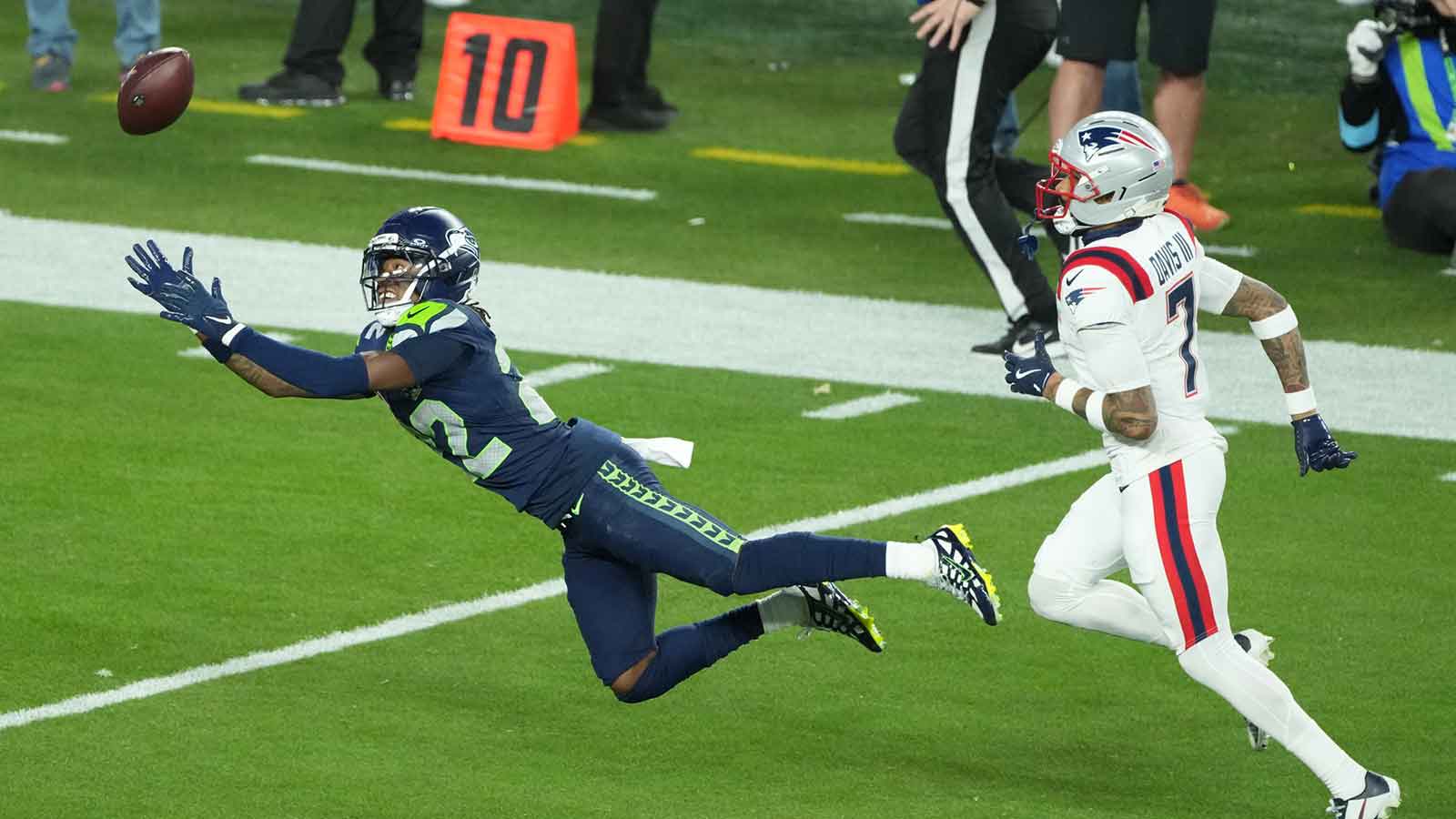
Trading out of the last few spots of the first round is often the best way to turn a smaller draft class into a more robust one.
A team picking near the end of the first round typically exists on a fault line, and teams above that range usually have more confidence in their choices. Below this threshold, values can flatten before re-emerging in the late 30s and early 40s, especially as concerns about quarterbacks, cornerbacks, or tackles begin to distort the draft order.
Savvy front offices capitalize on this moment, and teams often want to re-enter the first round, driven by nervousness that a favored prospect won’t last until their next pick, and they’re willing to pay a premium for certainty. They should take advantage of this opportunity.
Moving from the last pick of the first round to an early pick in the second round wouldn’t derail their draft class. In fact, it could help give the class a clearer structure.
Currently, they have four picks but little margin for error. If they miss on one pick or a player emerges with injury concerns or needs additional time to develop, the entire draft weekend could feel underwhelming, and by trading down once and acquiring another selection in the second or third rounds, they can open up the draft board.
They can target defensive players without feeling pressured, consider options for guard, edge depth, or another addition to the defensive front, without the expectation that one pick must solve every issue, and this strategy offers flexibility without requiring them to take unnecessary risks.
Macdonald’s defense is strong enough that most analysts will automatically connect the team to cornerback selections, and that could very well be the eventual outcome.
If so, they could slide back and still select a cornerback without issues, but by trading down, they allow the draft board to help determine the best investment after the initial rush of selections.
They might find that a more valuable choice is an interior lineman who can enhance protection, or they could discover the right defensive player to keep their defense aggressive into December, and perhaps a suitable cornerback would still be available several picks later, allowing them to create two opportunities from one decision without losing sight of their original plan.
This is how disciplined draft rooms function because they don’t cling to the first mock draft they favor, but they adapt to the realities of the situation.
Building the title defense through Friday
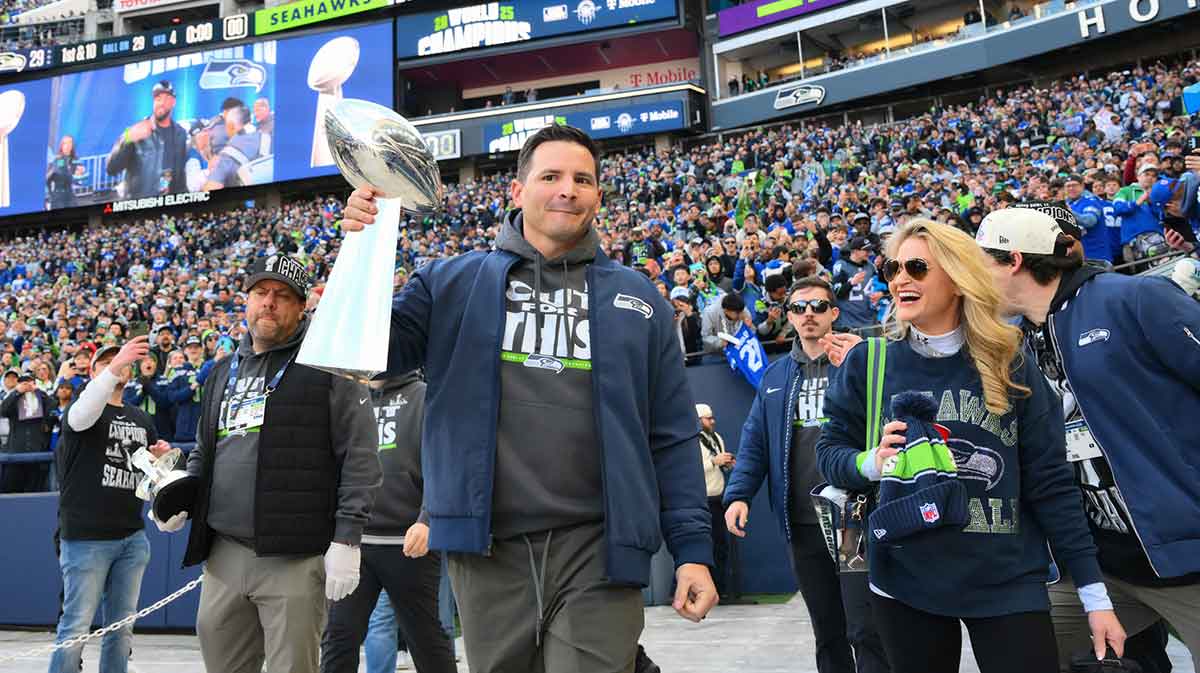
Defending champions should never take roster changes lightly, they are well aware of this reality, and given all of these circumstances, the most effective draft strategy isn’t just to make one solid repair and call it a day, but it should focus on generating enough volume to navigate the natural chaos of the draft board and still emerge with two or three genuine contributors.
This approach means emphasizing structural depth, not just high-profile players, and a trade down could also make the team less predictable, which can be advantageous in itself.
More importantly, it would alleviate some pressure over the weekend, rather than anxiously waiting and hoping that a major run doesn’t eliminate an entire tier of players, and they could remain active during the portion of the draft where contenders often enhance their rosters.
This is typically where valuable corners, guards, rotational defensive linemen, and backs or tight ends, who may not be first-round picks but can make an impact, can be found.
For them, this matters because the roster doesn’t necessarily call for one standout player at a single position, and what it truly needs is a broader array of solutions.
Adding one outside corner could help, as could one interior blocker or another defensive player who can contribute in a playoff rotation, and with only four draft picks, staying put at the end of the first round risks the front office adopting a narrow focus. In contrast, trading down allows for a layered approach to attacking the draft board.
Another important consideration is the financial implications of fifth-year options, which vary across positions, and selecting a late first-round corner or edge player can be a sound financial decision if they perform well, but this becomes more complicated for positions like guard, safety, or tight end.
Moving into the second round offers them a cleaner financial logic for certain positions while still preserving access to much of the same talent pool, and although this might not be the most exciting aspect of draft season, it is a strategy that enables smart teams to maintain strength beyond a single successful run.
Franchises fresh off a Super Bowl victory often face two conflicting instincts. One is the temptation to draft high-profile names to indulge in luxury, and the other is the fear of directly replacing every visible loss.
Both approaches are flawed in this context, and a better and bolder strategy is to acknowledge that the draft class needs depth more than it requires one symbolic star player.
While a player like Hood may fit well, another corner might fit, too, and in fact, many players could fit the roster, but fit alone is insufficient when the draft board encourages broader thinking beyond a single position.
Seattle’s smartest play would be to view their back-end first-round pick as a market opportunity rather than a sacred object.
They should allow a quarterback-needy team to grow impatient or let a contender pursue one last blue-chip talent, and by stepping back a few spots, they can collect additional resources and build their draft class in the middle of the board, where real contenders typically distinguish themselves from one-year wonders.
This strategy may not win over every commentator immediately, but it would provide them with an opportunity to defend its title with a class that truly has breadth and depth.
The post Wild but brilliant move Seahawks must make in 2026 NFL Draft appeared first on ClutchPoints.
What's Your Reaction?
 Like
0
Like
0
 Dislike
0
Dislike
0
 Love
0
Love
0
 Funny
0
Funny
0
 Angry
0
Angry
0
 Sad
0
Sad
0
 Wow
0
Wow
0