









From Hand of God to the Next Chapter: England-Argentina’s World Cup Rivalry
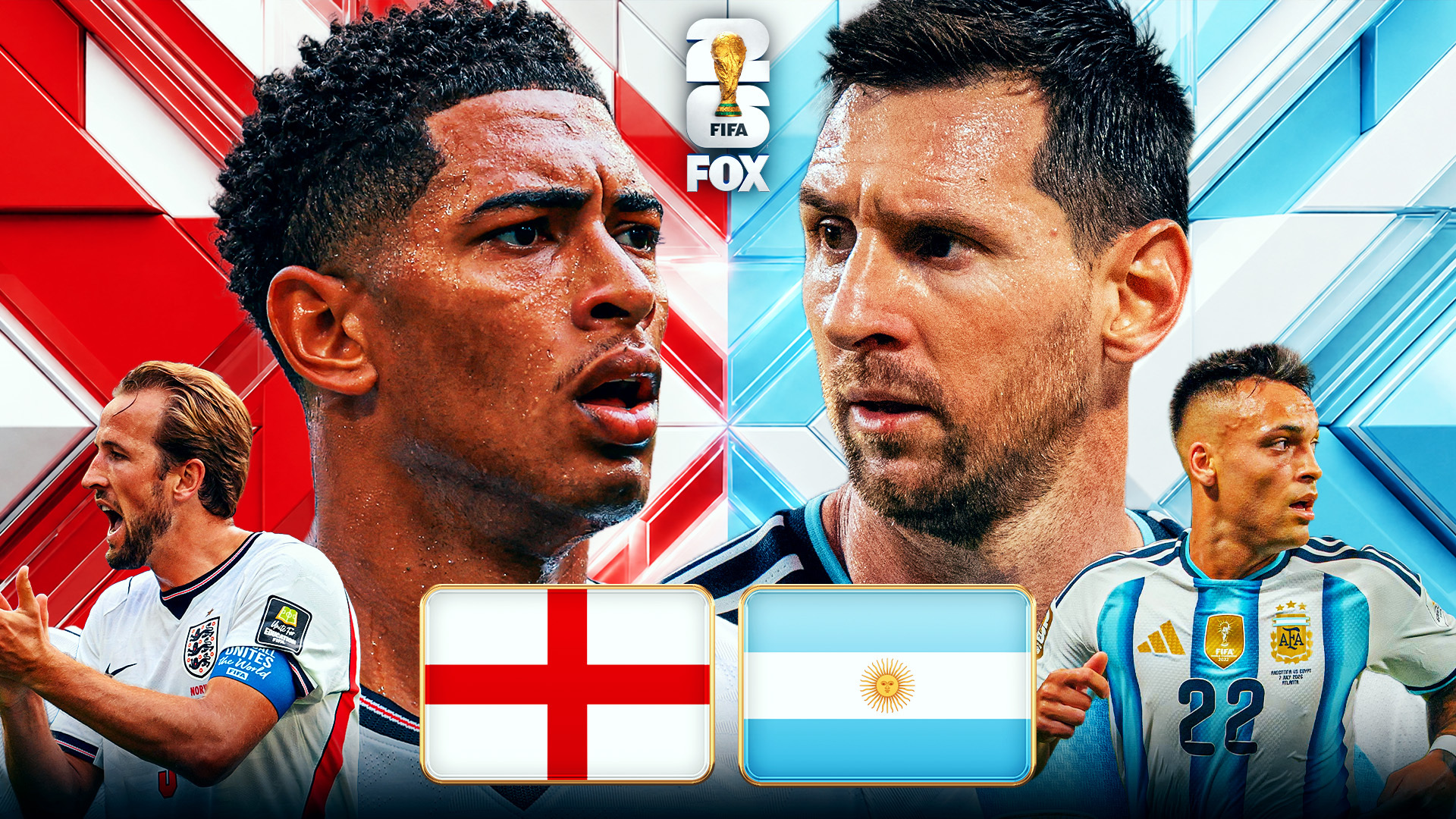
The latest developments ahead of the 2026 FIFA World Cup semifinal have added yet another layer to one of international football’s greatest rivalries. FIFA has confirmed that experienced MLS referee Ismail Elfath will officiate the match between England and Argentina. This decision has sparked discussions due to Elfath’s disciplinary record and the different interpretations each team may have regarding his officiating style. Additionally, England received some good news as Sky Sports reported that midfielder Declan Rice has recovered from his recent illness and is available to start, providing Thomas Tuchel with one of his most important players for this crucial match in the tournament.
Long before the first whistle is blown, this matchup bears a significance unlike almost any other in world football. England and Argentina have spent decades cultivating a World Cup rivalry that transcends tactics and talent. Each encounter seems to write another chapter in a story that resonates for generations, intertwining history with the present.
The rivalry began on football’s biggest stage in 1966, when England defeated Argentina in a tense quarterfinal at Wembley while on the path to its only World Cup trophy. That match was fiercely contested, marked by controversial refereeing decisions and heated reactions that planted the seeds for a rivalry that has only grown with time.
Trade $10, Get $10 when you join OG.com today!
Two decades later, the game that would transform sporting competition into football folklore occurred during the 1986 quarterfinal in Mexico. Diego Maradona scored two iconic goals, each contrasting sharply with the other. The first, famously dubbed the “Hand of God,” remains one of the sport’s most controversial moments as the referee allowed an obvious handball to stand. Minutes later, Maradona scored what many consider the greatest individual goal in World Cup history, as he dribbled past multiple England players before finishing with composure. These two unforgettable moments, separated by mere minutes, permanently shaped how both nations view each other.

For Argentina, that victory was a defining step towards another world title. For England, it became a lasting source of frustration.
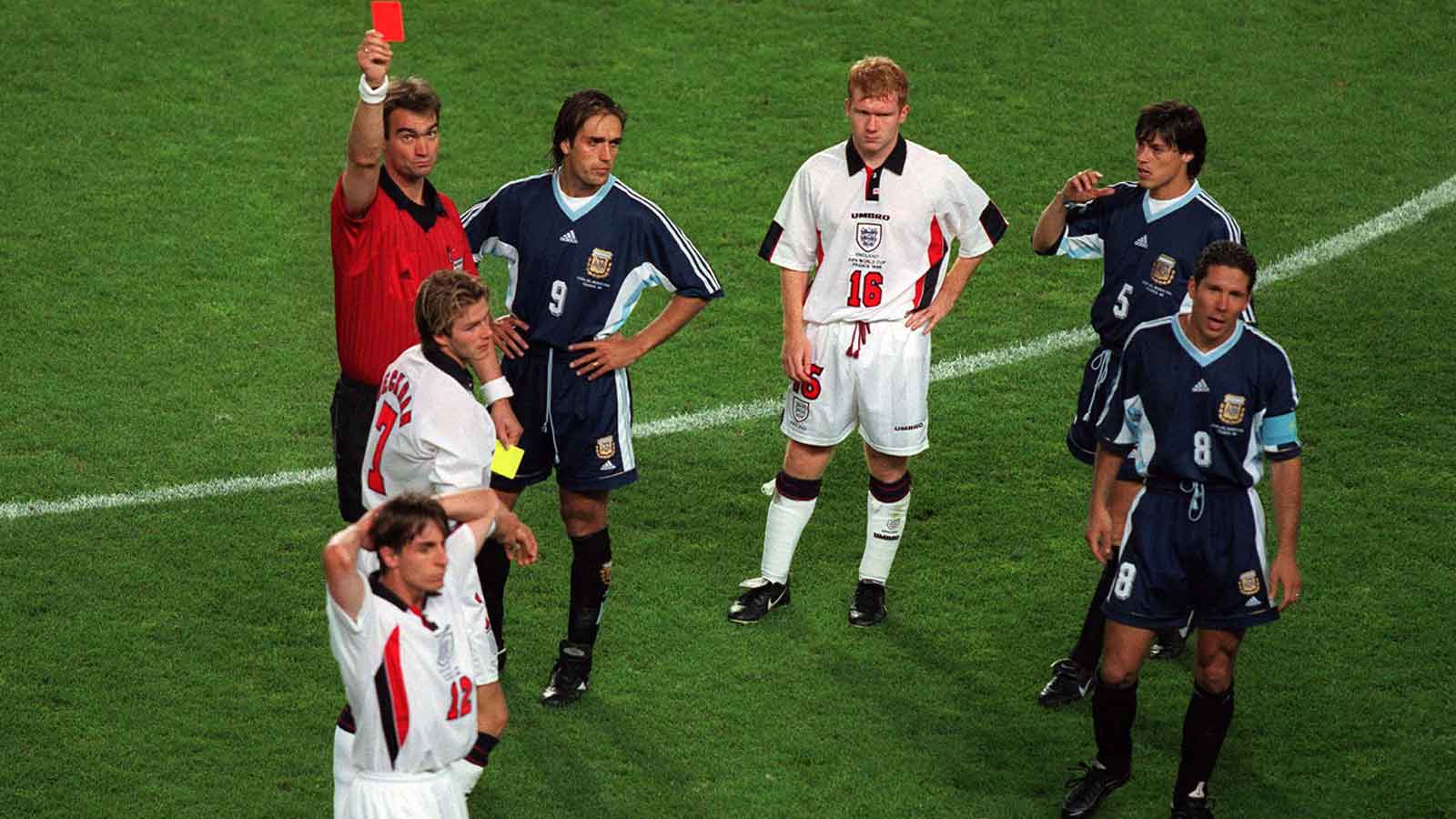
In 1998, the rivalry added another dramatic chapter during the round of 16 in France. This time, David Beckham became the focal point after receiving a red card for kicking Diego Simeone. Reduced to ten men, England fought valiantly but lost in a penalty shootout. Beckham faced intense criticism back home, only to rebuild his reputation in the years that followed. This match served as another reminder that encounters between these countries rarely follow predictable scripts.
Even when England and Argentina have not met in the World Cup, comparisons between their football cultures have remained consistent. England is traditionally associated with physical intensity, organization, and relentless pressure, while Argentina is known for its technical brilliance, emotional resilience, and talent in high-pressure situations. Although these stereotypes have evolved, the competitive spirit remains unchanged.
The 2026 semifinal presents a fascinating contrast between two modern teams that are less predictable than many of their predecessors. The English team arrives with greater tactical flexibility than in previous tournaments, capable of controlling possession while still posing threats on the counterattack. Argentina, on the other hand, continues to showcase the composure and confidence expected from a nation that has historically excelled in knockout football.
Neither team will enter this contest relying solely on reputation. England’s positive fitness update regarding Declan Rice removes a significant concern before kickoff, helping to maintain the midfield balance that has been crucial throughout the tournament. Argentina, aware of the context surrounding the referee’s appointment, understands that the spotlight will quickly fade once the match begins, compelling both teams to determine the outcome through their on-field performances rather than external narratives.
This may be the most significant departure from some of the rivalry’s most memorable encounters. Rather than being overshadowed by controversies leading up to the match, this semifinal appears poised to be decided by execution, composure, and the ability to manage immense pressure. The history between these nations guarantees high emotions, but neither squad can afford to be distracted by memories from decades past.
Every generation inherits this rivalry. The players change, the managers change, and even football continues to evolve. Yet the fixture of England against Argentina remains one of the few matchups where every previous encounter feels relevant even before the next one begins.
From Wembley in 1966 to Mexico in 1986, from Saint-Étienne in 1998 to the 2026 FIFA World Cup semifinal, each meeting of those teams has left a distinct mark on football history. Now, another chapter is ready to be written.
The post From Hand of God to the Next Chapter: England-Argentina’s World Cup Rivalry appeared first on ClutchPoints.
What's Your Reaction?
 Like
0
Like
0
 Dislike
0
Dislike
0
 Love
0
Love
0
 Funny
0
Funny
0
 Angry
0
Angry
0
 Sad
0
Sad
0
 Wow
0
Wow
0