






Brandis Friedman speaks on PBS HBCU documentary, adjusting to the media industry
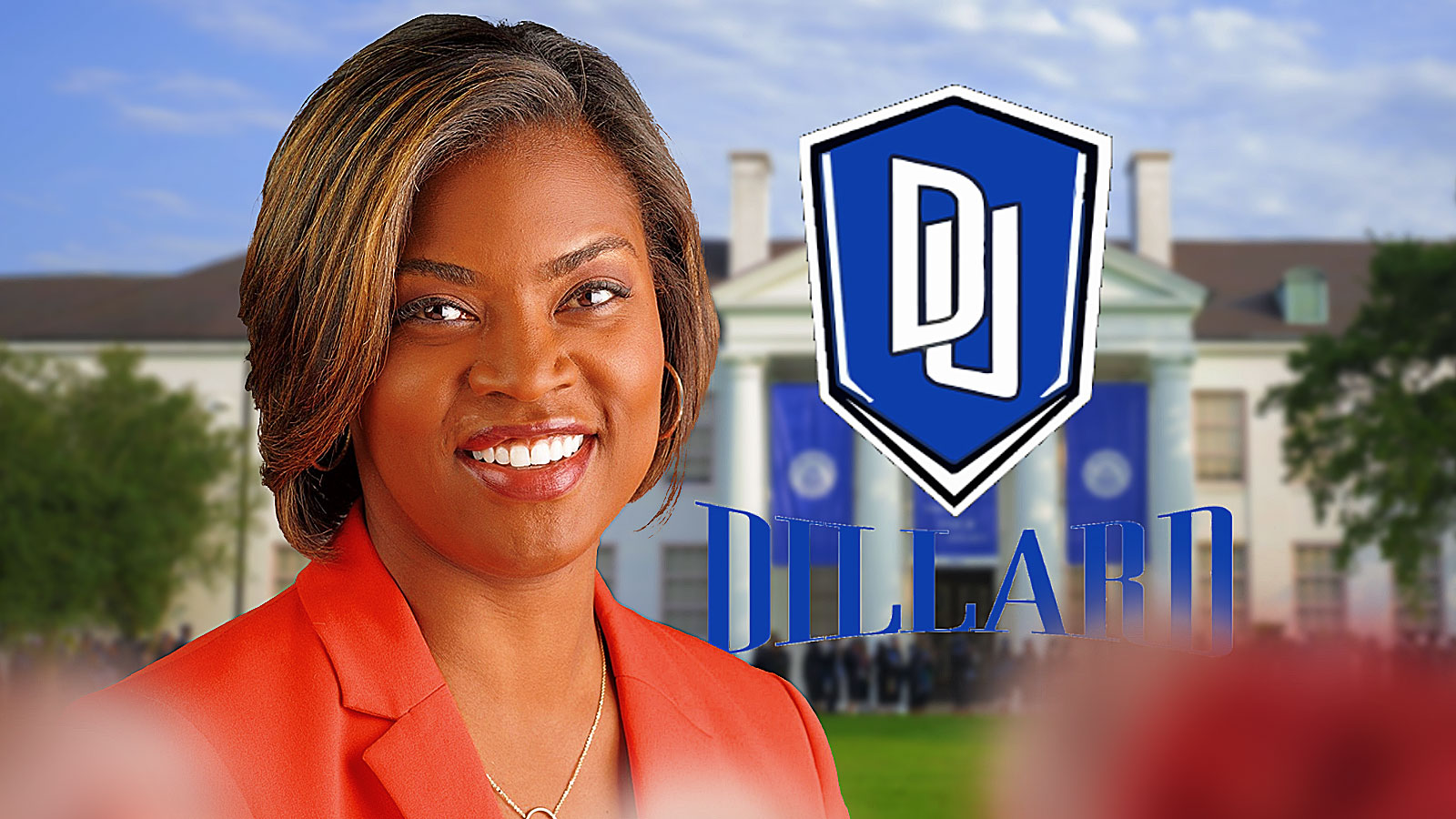
Although Black History Month has passed, the relevance of HBCUs is ever-present. In the past six years, we’ve seen a rise in the spotlight on HBCUs, with several notable alumni ascending to high heights in various fields. We’ve seen NFL players, such as Michael Vick, DeSean Jackson, and Deion Sanders, take on the challenge of building winning HBCU football teams. We’ve also seen various media projects spotlighting HBCU life, but journalist Brandis Friedman’s PBS documentary is different.
Her documentary, Opportunity, Access, and Uplift: The Evolving Legacy of HBCUs, premiered during Black History Month and shines the spotlight on an often-forgotten subgroup in HBCU life: regular college students. Oftentimes in fictional media, college life is sensationalized as we see the highs and lows of relationships, sports, and Greek life. But we never see the journey that students take, both to get into their HBCUs and maintain the academic and co-curricular resume to matriculate and find career success. Friedman’s documentary showcases that at a high level.
In an exclusive interview on HBCU Pulse Radio, Friedman spoke about her idea for the documentary. Per Friedman, the idea for the documentary was a collaborative effort.
“Shout out to my co-producers and partners, David Duncan and Mario Tharp. David kind of had the idea. He attended school in Arkansas, where he’s originally from. He didn’t go to an HBCU — he went to a PWI — but he came across some research about HBCUs and reached out to me because he knew I attended one.”
Friedman and her producing partners understood that the entry point to HBCU life changed in 2020 with COVID and various social issues that affected America at that time; many college-age students chose to attend HBCUs as a refuge. She also cites the affirmative action case of 2022 as another nexus point for HBCU enrollment for a new generation.
“We started toying with the idea and brought in our funding partner, Lumina Foundation. We realized this is a conversation that needs to be had. We need to add to the body of work and discussion around HBCUs — why students today choose HBCUs. Their reasons today are very different from why I chose one in the ’90s, why my parents and aunts and uncles chose them in the ’70s, and certainly different from why they were founded. We wanted to talk about post–Supreme Court decision on affirmative action, post-COVID, post–racial reckoning summer of 2020 — why are students choosing HBCUs now? What are they offering? How are they continuing to serve their student body? They need to be part of the conversation because of what they provide — producing our Black middle class, our Black doctors, lawyers, engineers, and so forth.”
Friedman also noted the change in how HBCUs serve the community. There’s often a stereotype that HBCUs only educate Black students, which isn’t true; HBCUs also educate students from abroad. A pertinent topic, given the political landscape of the country and the documentary topic of “opportunity” and “access”, she made sure to highlight that voice.
“Peter Kanu is an immigrant, but he’s still Black — his family immigrated from Ghana. Daniel Martinez is Latino and from outside New Orleans. When I was at Dillard, it wasn’t as diverse as it is today. I was on campus screening the documentary recently and noticed how much more diverse the student body is. We show that in the film; students of many different backgrounds.”
She added, “I also think that those non-Black students who attend HBCUs come away with a sense of understanding of what the schools offer and why folks like us choose HBCUs. And I think they take that knowledge and awareness with them out into the world when they leave their campus and go to graduate school or go to work in whatever industry they’re in. They’re taking that knowledge with them and able to spread it.”
The documentary also sets the record straight about HBCU graduation rates and the impact of Pell Grants on the education of eligible students. Her goal was to show how HBCUs consistently do more with less than their counterparts.
“I’m hoping that it recognizes — and shout out to one of our experts in the film, Felicia Commodore at the University of Illinois Urbana-Champaign, who pointed it out — just how HBCUs are punching above their weight. They get less funding, they have higher percentages of Pell-eligible students, yet they’re still producing outcomes. And you can say, ‘Okay, the graduation rates at HBCUs are lower.’Well, look at the challenges that they are helping their students overcome, right?
She added, “If none of your students are Pell-eligible and they come from homes that are less likely to be first-generation college-going, and their parents have the resources to pay for SAT prep programs and all these things, and they have the connections for internships and all that stuff, yeah, your graduation rates are going to be higher.”
Friedman also imparted knowledge on up-and-coming journalists in an unstable media industry where jobs seems few and far between.
“And to those who are considering the industry, I would say keep going, right? I think it is going to be challenging no matter what. And it is absolutely necessary. I would say we might have to think creatively about finding our own way, but don’t give up on the journalistic tenets that are important with regards to accuracy and fairness and balance — the ABCs, I guess, of journalism — because it’s absolutely necessary.”
The documentary is available on pbs.org.
The post Brandis Friedman speaks on PBS HBCU documentary, adjusting to the media industry appeared first on ClutchPoints.
What's Your Reaction?
 Like
0
Like
0
 Dislike
0
Dislike
0
 Love
0
Love
0
 Funny
0
Funny
0
 Angry
0
Angry
0
 Sad
0
Sad
0
 Wow
0
Wow
0